Showing posts sorted by date for query tennyson. Sort by relevance Show all posts

Thursday, July 10, 2025

Books and Watermelon


Summery Book Blogs

Ken Kielty
Talking About Things That Matter

Matthew Arnold & Alfred, Lord Tennyson
Forgotten Mermen

Greg Pizzoli
Books With Ellie
@Kitti's List

Sunday, January 26, 2025

Parking Lot and Evening Star

This beautiful sunset reminded me of Tennyson's poem,
except -- as I observed to Gerry -- no evening star.
But wait . . .

The Evening Star

Tonight, for the first time in many years,
there appeared to me again
a vision of the earth’s splendor:

in the evening sky
the first star seemed
to increase in brilliance
as the earth darkened

until at last it could grow no darker.
And the light, which was the light of death,
seemed to restore to earth
its power to console. There were
no other stars. Only the one
whose name I knew

as in my other life I did her
injury: Venus,
star of the early evening,

to you I dedicate
my vision, since on this blank surface

you have cast enough light
to make my thought
visible again.


Louise Glück
American Poet (b 1943)

. . . merely one minute later,
I took a second picture,
and there was Venus
(along with a very small cloud, just underneath)!

More by Gluck
another sunset poem: "Parable"
also "Iris" & "Penelope"


Above photos taken November 9, 2024
~ 6 weeks before the Winter Solstice ~
now, we're almost 6 weeks beyond the Shortest Day.

Yet, as I said before, I crave the dark days
and find them restorative.

Tuesday, January 31, 2023

Likes to Read Aloud

Please lets make that ~ he / she ~
as it should be!
We can only hope that if
Warhol had it to do over again,
he would include women too. Sigh . . .

Warhol's witty observation about the purpose of art reminds me of the story about his flower silkscreens, which he shared with fellow artist Elaine Sturtevant. As legend has it, when someone asked Warhol about his "artistic process," he said, "I don't know. Ask Elaine!" Haha!

In turn, Warhol's artsy rejoinder made me wonder: Who was the author -- maybe more than one -- who, when asked about the meaning of a particular poem, simply re-read the poem, without offering any additional explanation or commentary.

My experts tell me that perhaps it is just an apocryphal anecdote, but the author and occasion that comes to mind is Alfred, Lord Tennyson reciting "Maud: A Monodrama" at Buckingham Palace for Queen Victoria and her many guests. I was amused to read the following in Wikipedia, which seems to add credibility to Tennyson's alleged re-reading episode:
"While the poem was Tennyson's own favourite (he was known very willingly to have recited the poem in its entirety on social occasions), it was met with much criticism in contemporary circles."
Unlike Tennyson, I've never been a Poet Laureate, yet I once received a similar critique in the "rate this teacher" category. I no longer recall whether or not this particular student had anything good to say about me under "strengths." However, under "weaknesses," I was awarded with this hilarious accolade, which to this day still makes me laugh: "Likes to read aloud."
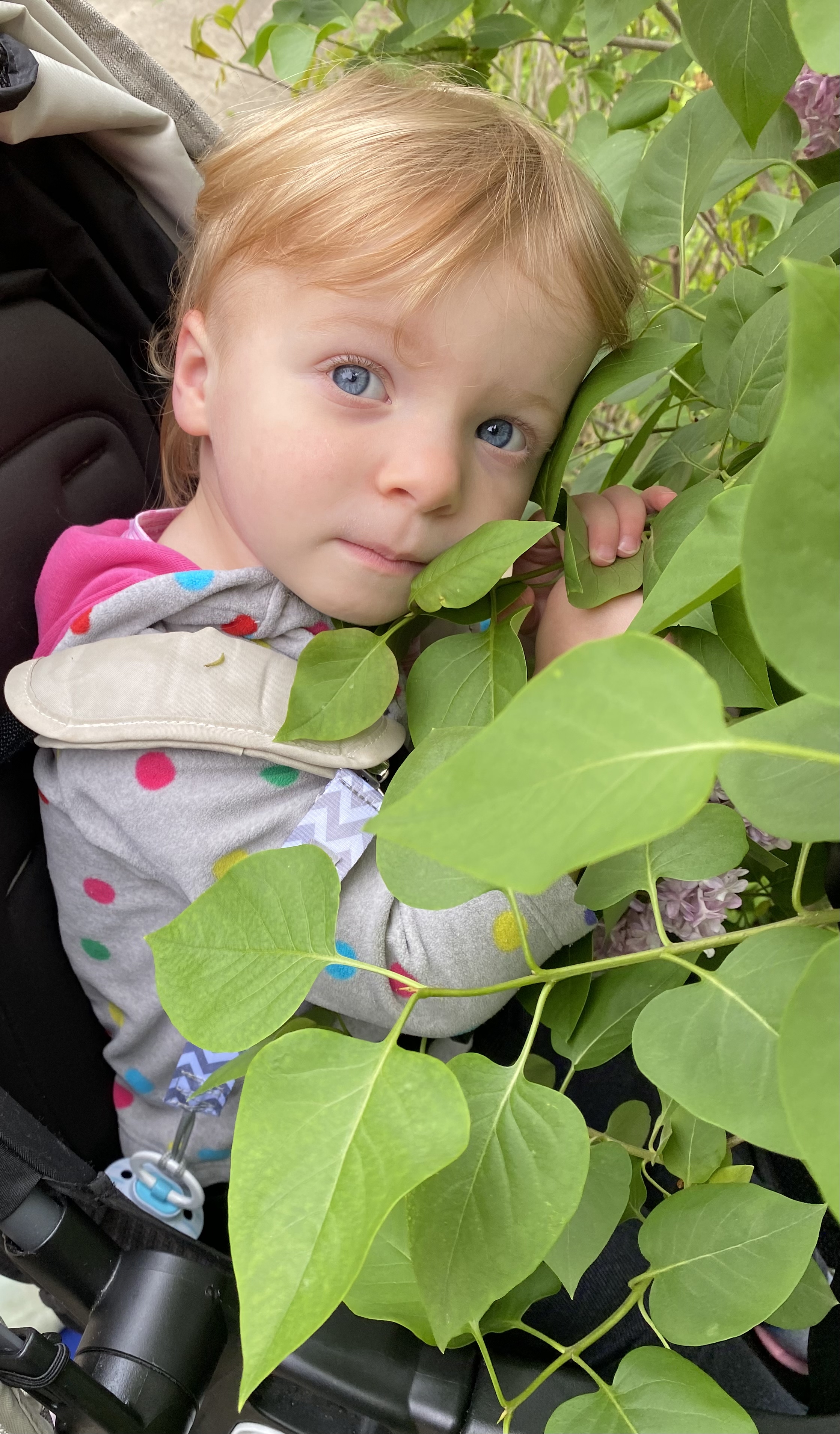
Haha! Just like Tennyson.

P.S.
From my friend Sheri:


“But secretly I knew I had been transformed,
moved by the revelation that human beings create art,
that to be an artist was to see what others could not
.”

~ Patti Smith ~

P.P.S
from Cleo Wade ~ Heart Talk


"reciprocity:
whatever you want must be held
in the same hand as what you give"

Saturday, October 22, 2022

Perhaps Even the Lilac

"Perhaps even an apple can feel pity;
perhaps the lilac wants to go on living . . . "
*
~ Linda Pastan ~
"If I had a flower for every time I thought of you . . .
I could walk through my garden forever."

~ Alfred, Lord Tennyson ~


*************

* I have posted this beautiful poem before,
but here it is again:
Shadows

Each night this house sinks into the shadows
under its weight of love and fear and pity.
Each morning it floats up again so lightly
it seems attached to sky instead of earth,
a place where we will always go on living
and there will be no dead to leave behind.

But when we think of whom we've left behind
already in the ever-hungry shadows,
even in the morning hum of living
we pause a minute and are filled with pity
for the lovely children of earth
who run up and down the stairs so lightly


and who weave their careless songs so lightly
through the hedges which they play behind
that the fruits and flowers of the earth
rise up on their stems above the shadows.
Perhaps even an apple can feel pity;
perhaps the lilac wants to go on living.


In this house where we have all been living
we bind the family together lightly
with knots made equally of love and pity
and the knowledge that we'll leave behind
only partial memories, scraps of shadows,
trinkets of our years upon the earth. . . .

Always save your pity for the living
who walk the eggshell crust of earth so lightly,
in front of them, behind them, only shadows.


~ Linda Pastan (b 1932)
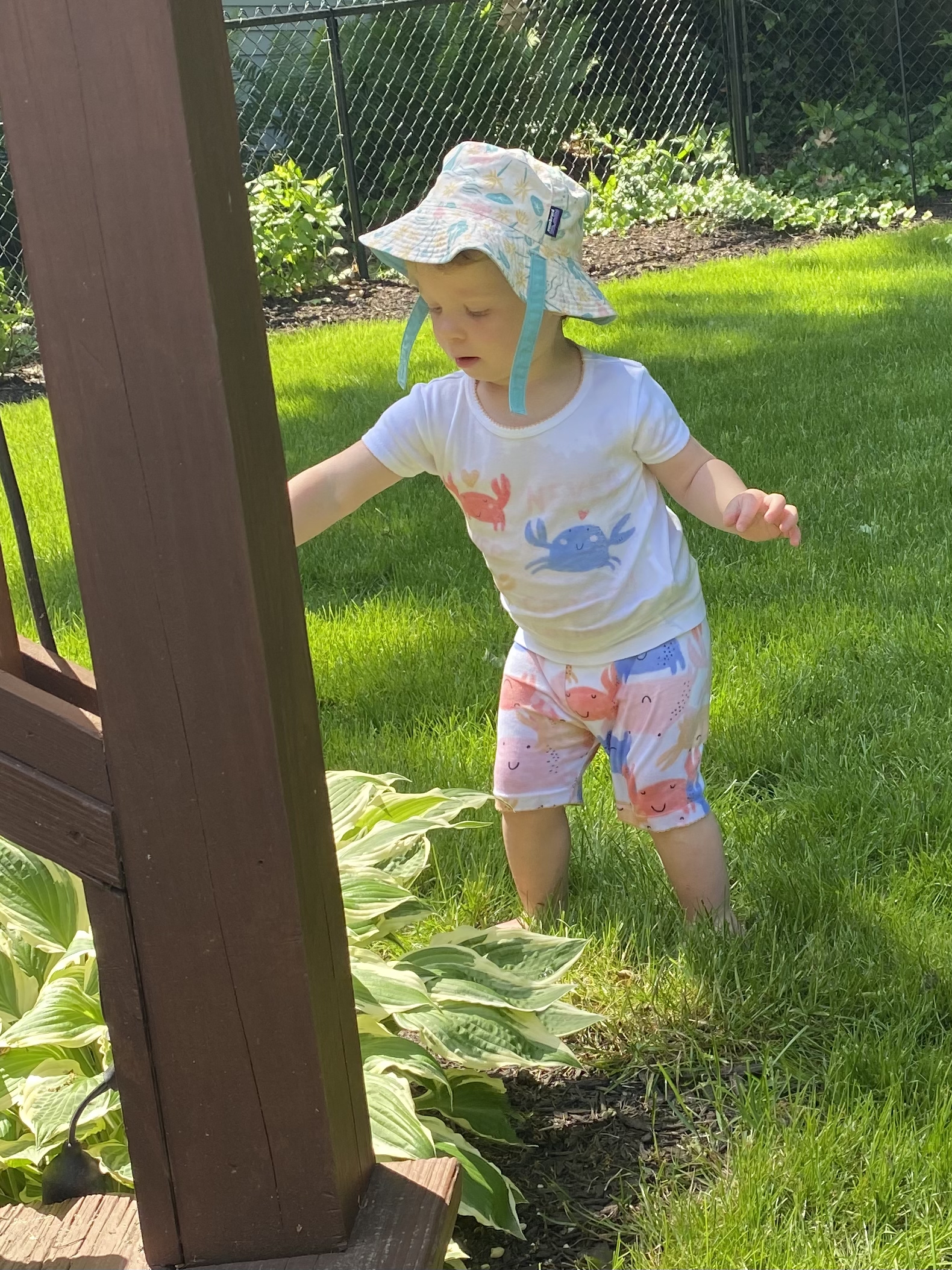
Ellie in the Garden

Friday, May 14, 2021

Sunset and Evening Star

Sunset and Evening Star
Window by Tiffany, circa 1910


****************

Crossing the Bar

Sunset and evening star,
And one clear call for me!
And may there be no moaning of the bar,
When I put out to sea,

But such a tide as moving seems asleep,
Too full for sound and foam,
When that which drew from out the boundless deep
Turns again home.

Twilight and evening bell,
And after that the dark!
And may there be no sadness of farewell,
When I embark;

For tho' from out our bourne of Time and Place
The flood may bear me far,
I hope to see my Pilot face to face
When I have crossed the bar.


By Alfred, Lord Tennyson (1809 -1892)

****************

This poem and more on my current post

"Sunset and Evening Star"

@The Fortnightly Kitti Carriker
A literary blog of connection & coincidence;
custom & ceremony
1965

Wednesday, May 18, 2016

Crannied Wall


Flower in the crannied wall,
I pluck you out of the crannies,
I hold you here, root and all, in my hand,
Little flower—but if I could understand
What you are, root and all, and all in all,
I should know what God and man is.
(1863)

Alfred, Lord Tennyson, 1809 - 92
Lincoln, England


At Pontefract Castle:
Another "flower in the crannied wall" and To Go Cup

Monday, February 29, 2016

It's Different Out There

Happy Leap Day! ~ Do something different!
Photo by Gerry McCartney
"I account it high time
to get to sea as soon as I can. . . . "

~ Herman Melville ~


" . . . for my purpose holds
To sail beyond the sunset, and the baths
Of all the western stars, until I die."

~ Alfred, Lord Tennyson ~


Sea Fever

I must go down to the seas again, to the lonely sea and the sky,
And all I ask is a tall ship and a star to steer her by,
And the wheel's kick and the wind's song and the white sail's shaking,
And a grey mist on the sea's face, and a grey dawn breaking.

I must go down to the seas again, for the call of the running tide
Is a wild call and a clear call that may not be denied;
And all I ask is a windy day with the white clouds flying,
And the flung spray and the blown spume, and the sea-gulls crying.

I must go down to the seas again, to the vagrant gypsy life,
To the gull’s way and the whale’s way
where the wind’s like a whetted knife;
And all I ask is a merry yarn from a laughing fellow-rover,
And quiet sleep and a sweet dream when the long trick’s over.


John Masefield (1878 - 1967)
British Poet Laureate from 1930 - 1967

Monday, May 27, 2013

The Grief that Saps the Mind

ON MEMORIAL DAY:
"Ring out the grief that saps the mind
for those that here we see no more."

~ Tennyson ~


Sign by Robert Montgomery, Post-Situationist Public Artist
Painted wood & solar-powered LED lights
De La Warr Pavillion, Bexhill, East Sussex

When it comes to "the grief that saps the mind," no one has described it better than my literary friend Lee Perron, in the following section of his poem, "From Desire, A Sequence" (fondly referred to in my family as "The Nose Poem"):

your mate dies, or parents
or one of your other friends
there is nothing fearful in the death
the deadman is not the problem
his letters perhaps
some phrase he spoke that rings every after
the way he died, what the surgeons did to his brain, or kidneys,
or heart
what you & he would have been doing now
next week, all summer long as you always did
the deadman did not die
your plans died
and this is what is so upsetting
this makes us so sick we cannot even think


~ Lee Perron

"Seasons of blankness" is Thomas Hardy's way to describe this upsetting, sickening sense of loss. Gerry's Auntie Margaret fondly refers to Hardy as "such as misery," which is true. Yet, his irony appeals to me: the things we want to stay are going; the things we want to go are staying. But just at the point where we might easily turn to cynicism, Hardy offers neutrality: yes, we lose the good things, the best things, the "prime"; but some of the mind - sapping grief dissipates as well.

The May Moon ~ We Wish It Would Stay!


Going and Staying

I

The moving sun-shapes on the spray,
The sparkles where the brook was flowing,
Pink faces, plightings, moonlit May,
These were the things we wished would stay;
But they were going.

II

Seasons of blankness as of snow,
The silent bleed of a world decaying,
The moan of multitudes in woe,
These were the things we wished would go;
But they were staying.

III

Then we looked closelier at Time,
And saw his ghostly arms revolving
To sweep off woeful things with prime,
Things sinister with things sublime
Alike dissolving.


~ Thomas Hardy ~


A Closlier Look at the Full Moon
~ Cosmic Photography by Jay Beets ~

[P.S. Closelier is Hardy's own special made - up word, so much better than just plain old closer.]

A closing thought
from The Fault in Our Stars
by John Green:

" . . . then I realized there was no one else to call,
which was the saddest thing.
The only person I really wanted to talk to about Augustus Waters's death was Augustus Waters. . . .
In the last weeks, we'd been reduced to spending our time together in recollection, but that was not nothing:
The pleasure of remembering had been taken from me,
because there was no longer anyone to remember with.
It felt like losing your co - rememberer
meant losing the memory itself,
as if the things we'd done were less real and important
than they had been hours before.
(262)

Now, that's the grief that saps the mind . . .
the grief that makes us so sick we cannot even think . . .

See also my earlier post "Indifferent Universe"

Monday, December 31, 2012

The Year is Going

New Year's Eve in Dallas
Storefront Decorations on Main Street, Neiman Marcus

Ring Out, Wild Bells
Ring out, wild bells, to the wild sky,
The flying cloud, the frosty light;
The year is dying in the night;
Ring out, wild bells, and let him die.

Ring out the old, ring in the new,
Ring, happy bells, across the snow:
The year is going, let him go;
Ring out the false, ring in the true.

Ring out the grief that saps the mind,
For those that here we see no more,
Ring out the feud of rich and poor,
Ring in redress to all mankind.

Ring out a slowly dying cause,
And ancient forms of party strife;
Ring in the nobler modes of life,
With sweeter manners, purer laws.

Ring out the want, the care, the sin,
The faithless coldness of the times;
Ring out, ring out thy mournful rhymes,
But ring the fuller minstrel in.

Ring out false pride in place and blood,
The civic slander and the spite;
Ring in the love of truth and right,
Ring in the common love of good.

Ring out old shapes of foul disease,
Ring out the narrowing lust of gold;
Ring out the thousand wars of old,
Ring in the thousand years of peace.

Ring in the valiant man and free,
The larger heart the kindlier hand;
Ring out the darkness of the land,
Ring in the Christ that is to be.


Section #106 from the long poetic requiem
"In Memoriam A. H. H."
by Alfred, Lord Tennyson, 1809 - 1892
Poet Laureate of Victorian England, 1850 - 1892;
still one of the most popular poets in the English language.

For more seasonal Tennyson, see previous posts:
Tennyson for Christmas Eve, 2010
&
Tennyson for New Year's Eve, 2010

Not just giant ornaments but giant hooks as well!

Friday, December 31, 2010

Tennyson for New Year's Eve

Venerable Old Fence Post On Our Property Line

Here's a poem to help chase away the heating bill blues -- not that we need it today, since it just so happens to be a balmy, 60 degrees F, in Indiana (actually, somewhat eerie -- but don't worry -- back to freezing temps tomorrow)!

Lately, I have felt like the backs of my hands will never be warm again, even though the heat is cranking away and there's a fire in the fireplace! Sometimes I sit here at the computer wearing fingerless gloves while I type -- like Bob Cratchitt, except he was using a quill & ink, not typing. I wonder if my knitting friend Cate ever makes fingerless gloves? Ben's English teacher at St. Peter's was a knitter and that was her specialty. She gave him a few pairs when we moved away, one of which still happens to be tucked away in the pocket of his ski jacket.

I came across this poem recently in a little gift book about the seasons. Don't you agree that it seems rather modern-sounding for Tennyson? Not that I don't like the 19th C Tennyson, but this one makes an unexpected change.

Happy New Year! Keep a warm heart!

Winter

The frost is here,
And fuel is dear,

And woods are sear,
And fires burn clear,
And frost is here
And has bitten the heel of the going year.

Bite, frost, bite!
You roll up away from the light
The blue wood-louse, and the plump dormouse,
And the bees are still'd and the flies are kill'd,
And you bite far into the heart of the house,
But not into mine.

Bite, frost, bite!
The woods are all the searer,
The fuel is all the dearer,
The fires are all the clearer,
My spring is all the nearer,
You have bitten into the heart of the earth,
But not into mine.


Section #4 from
"The Window; or, The Songs / Loves of the Wrens"

music by Sir Arthur Seymour Sullivan, 1842 - 1900
Ever popular British Composer

lyrics by by Alfred, Lord Tennyson, 1809 - 1892
Poet Laureate of Victorian England, 1850 - 1892;
still one of the most popular poets in the English language.
*************

P.S. 2016
~ I found these from Storiarts! ~

Friday, December 24, 2010

Tennyson for Christmas Eve

St. Peter's Churchyard, Philadelphia
Photograph taken by Ben McCartney on December 5, 2002

The Time Draws Near

The time draws near the birth of Christ:
The moon is hid; the night is still;
The Christmas bells from hill to hill
Answer each other in the mist.

Four voices of four hamlets round,
From far and near, on mead and moor,
Swell out and fail, as if a door
Were shut between me and the sound:

Each voice four changes on the wind,
That now dilate, and now decrease,
Peace and goodwill, goodwill and peace,
Peace and goodwill, to all mankind.

This year I slept and woke with pain,
I almost wish'd no more to wake,
And that my hold on life would break
Before I heard those bells again:

But they my troubled spirit rule,
For they controll'd me when a boy;
They bring me sorrow touch'd with joy,
The merry merry bells of Yule.


Section #28 from the long poetic requiem
"In Memoriam A. H. H."
by Alfred, Lord Tennyson, 1809 - 1892
Poet Laureate of Victorian England, 1850 - 1892;
still one of the most popular poets in the English language.

Sunday, May 30, 2010

Memorial Day Reminiscence

"Ring out the grief that saps the mind
for those that here we see no more."

excerpt from the long poetic requiem "In Memoriam A. H. H."
by Alfred, Lord Tennyson, 1809 - 1892
Poet Laureate of Victorian England, 1850 - 1892, and
still one of the most popular poets in the English language.

Churchyard at St. Mary's, in Little Crosby, Liverpool, England

A Reminiscence
Yes, thou art gone! and never more
Thy sunny smile shall gladden me;
But I may pass the old church door,
And pace the floor that covers thee,

May stand upon the cold, damp stone,
And think that, frozen, lies below
The lightest heart that I have known,
The kindest I shall ever know.

Yet, though I cannot see thee more,
'Tis still a comfort to have seen;
And though thy transient life is o'er,
'Tis sweet to think that thou hast been;

To think a soul so near divine,
Within a form so angel fair,
United to a heart like thine,
Has gladdened once our humble sphere.


by Anne Brontë, 1820 – 1849
British novelist and poet,
youngest member of the Brontë literary family.

This poem appeared in 1946, in Poems By
Currer, Ellis, and Acton Bell
-- the pen-names chosen by
Charlotte, Emily, and Anne for their first book of poetry.